
Introduction to Motor Types
Choosing the right motor is crucial in various industries, impacting machinery efficiency and performance. Two common types are the 12V stepper motor and the DC motor, each with unique characteristics and applications. Understanding their differences helps in selecting the optimal motor for specific needs, whether in automotive, manufacturing, or electronics.
Basic Principles of Stepper Motors
Understanding Stepper Motor Mechanics
A stepper motor converts electrical pulses into discrete mechanical movements. Each pulse moves the motor a fixed step, allowing for precise control of angular position without feedback. With 200 steps per revolution, stepper motors are favored in applications requiring exact positioning, such as CNC machines and 3D printers.
Stepper Motor Construction
Stepper motors generally consist of a rotor, stator, and several coils of wire forming the motor phases. The rotor's magnetic field interacts with the sequentially energized stator coils, causing the rotor to move in steps. This simple and durable design is popular among manufacturers aiming for long-lasting motor solutions.
Basic Principles of DC Motors
Functionality of DC Motors
DC motors convert direct current electrical energy into mechanical energy through electromagnetic interactions. They feature a constant magnetic field created either by permanent magnets or electromagnetic windings. When voltage is applied, the armature rotates, offering continuous rotational motion, suitable for applications like fans, conveyors, and pumps.
DC Motor Components
A typical DC motor comprises a stator providing the magnetic field and a rotor which rotates within that field. Brushes and a commutator facilitate current flow through the armature coils, inducing rotation. The simplicity and reliability of DC motors make them a staple in industries worldwide.
Control Mechanisms of Stepper Motors
Precision in Motion Control
Stepper motors are known for their precise motion control, driven by input pulses. The motor's position is determined by the number of pulses sent, allowing incremental movement. This open-loop control system eliminates the need for complex feedback systems.
Advantages in Automation
The ability to hold a position accurately without feedback makes stepper motors ideal for automation systems, where precision and repeatability are crucial. This is particularly beneficial in robotics and automated assembly lines.
Control Mechanisms of DC Motors
Speed Control and Efficiency
DC motors offer straightforward speed control via voltage variation, a significant advantage in applications requiring variable speed. Their efficiency is enhanced by consistent speed and torque under varying loads, making them indispensable in manufacturing processes.
Feedback Systems and Control
Though DC motors do not inherently provide position control, they can be coupled with feedback systems like encoders for closed-loop control. This allows manufacturers to offer solutions for applications requiring precise speed and position control.
Torque Characteristics of Stepper Motors
Torque Production and Limitations
Stepper motors provide high torque at low speeds, which decreases significantly as speed increases. Ideal for low-speed, high-precision applications, their torque limitation at higher speeds must be considered during motor selection.
Holding Torque Benefits
One advantage of stepper motors is their holding torque, allowing the motor to maintain a position when not moving. This is critical in applications where load holding is necessary.
Torque Characteristics of DC Motors
Consistent Torque Delivery
DC motors provide consistent torque over a wide speed range, an advantage where continuous power and efficiency are required. They are suitable for high-speed applications where stepper motors might falter.
Motor Efficiency Considerations
DC motors' efficiency, often around 70-80%, varies with load and design. Understanding these parameters is crucial for optimizing performance and efficiency.
Applications of Stepper Motors
Industries Benefiting from Stepper Motors
Stepper motors are indispensable in CNC machinery, 3D printing, and automotive systems requiring precise control. Their ability to perform small, precise movements is crucial in sectors like electronics manufacturing.
China's Role in Stepper Motor Production
China remains a major supplier of stepper motors, offering high-quality and cost-effective solutions, ensuring a steady supply to meet global industrial demands.
Applications of DC Motors
DC Motors in Everyday Use
DC motors are prevalent in household appliances, automotive applications, and industrial machinery. Their versatility and cost-effectiveness make them suitable for continuous operation applications.
Manufacturers and Suppliers of DC Motors
Globally, China stands out in the DC motor market, providing reliable and affordable options to industries worldwide, highlighting its pivotal role in the global supply chain.
Comparative Analysis and Conclusion
Choosing Between Stepper and DC Motors
Choosing between a 12V stepper motor and a DC motor depends on specific application needs, like precision, speed, and torque. Stepper motors are ideal for precision positioning, while DC motors excel in speed and power applications.
Final Thoughts for Manufacturers
Manufacturers must consider these factors when selecting motors, ensuring optimal performance in their products. Understanding each motor's strengths and limitations allows industries to make informed decisions for enhanced efficiency and innovation.
Hanlang Technology Provides Solutions
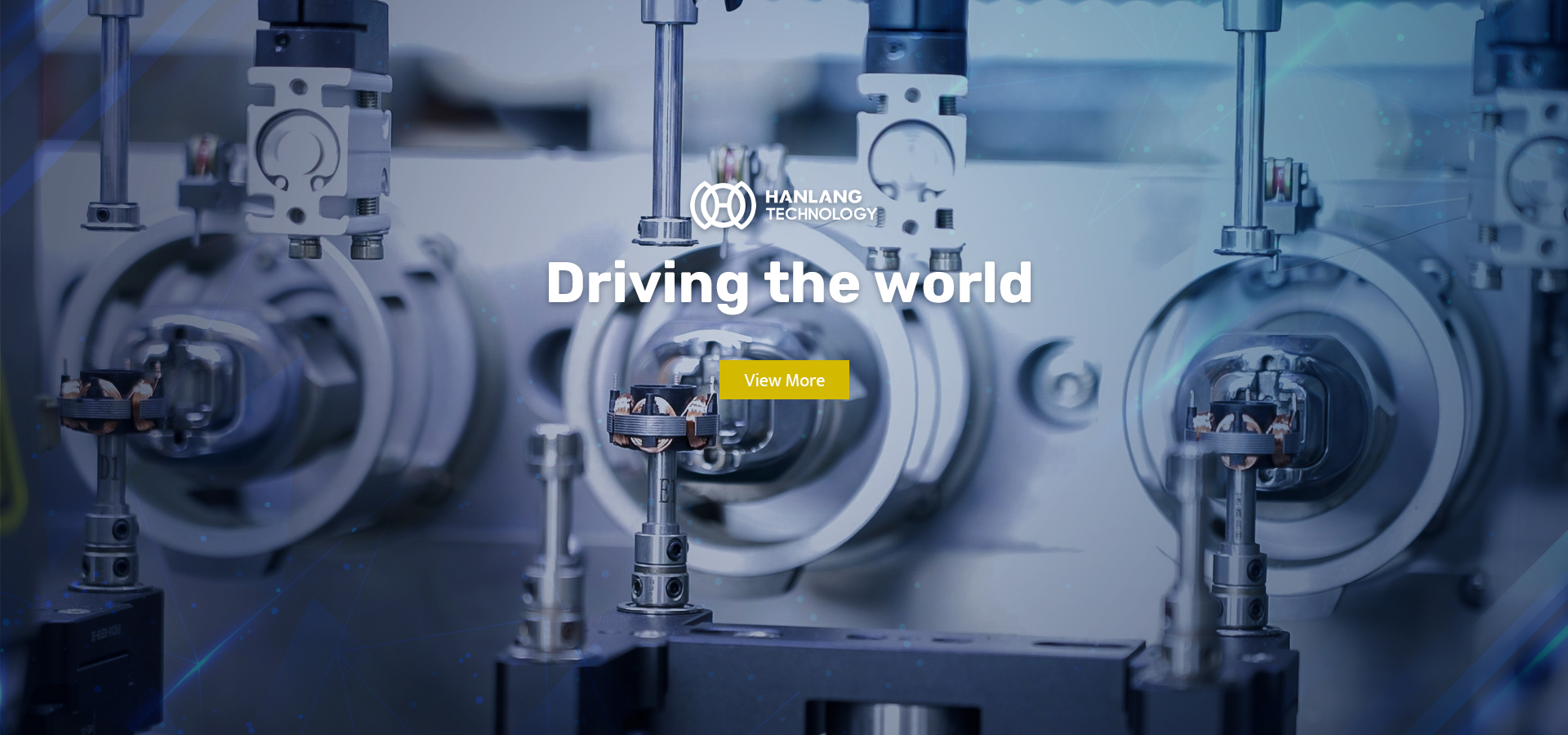
Hanlang Technology offers advanced motor solutions, specializing in both stepper and DC motors to meet diverse industrial needs. With a focus on innovation, our products enhance performance, efficiency, and reliability. As a leading supplier, we ensure high-quality motors at competitive prices, catering to various industrial applications. Choose Hanlang Technology for your motor needs and experience excellence in motion control.
Post time: 2025-11-14 14:26:53